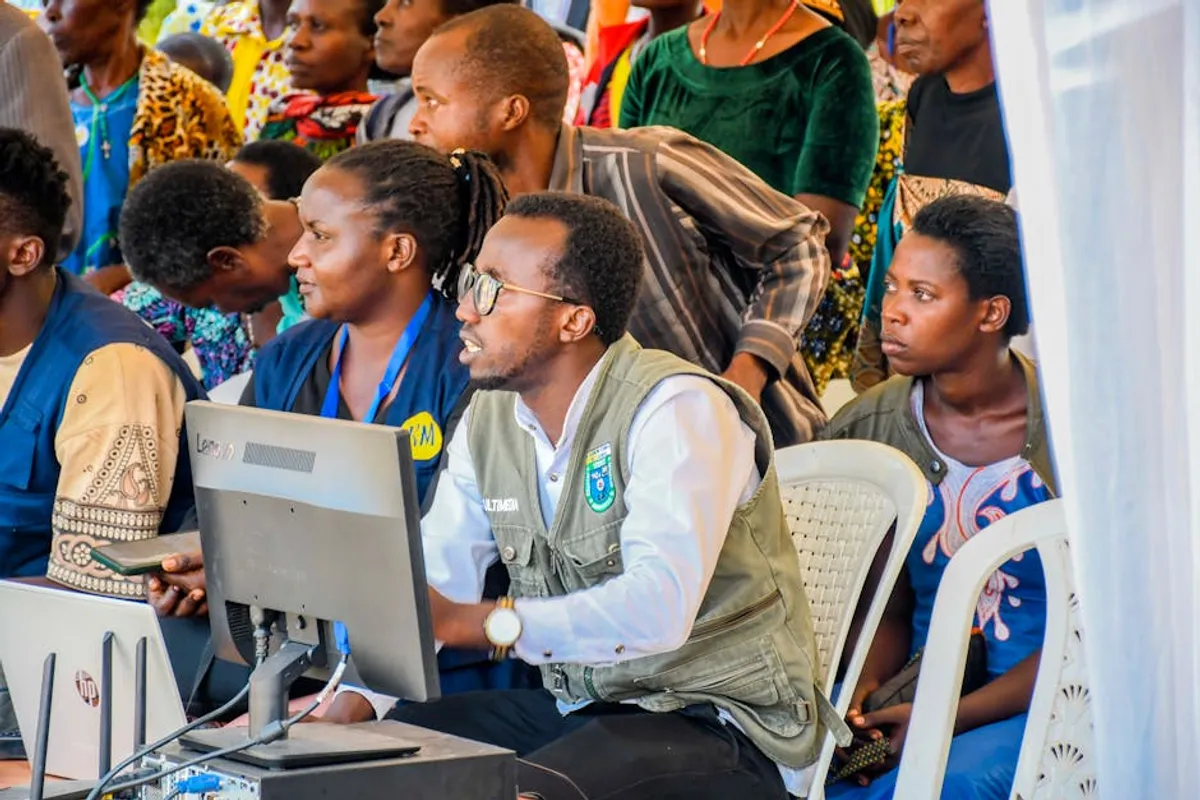
For publishers, agencies, and site owners, community events represent a significant, often underutilized, content opportunity. Effective coverage extends beyond simple reporting; it's about crafting clear, valuable narratives that resonate with local audiences, enhance search visibility, and build brand authority. The goal is not just to document an event, but to translate its essence into content that serves a commercial purpose: driving engagement, attracting local search traffic, and reinforcing your brand's role within the community. This requires a strategic approach, from initial planning to post-publication promotion, ensuring every piece of content delivers maximum impact.
Strategic Objectives for Event Coverage
Before any camera clicks or keyboard clacks, define the "why" behind covering a community event. Without clear objectives, coverage often devolves into generic reporting that fails to capture audience attention or deliver measurable commercial value.
- Local SEO Enhancement: Generate localized content featuring specific place names, businesses, and individuals, signaling relevance to local search engines. This increases visibility for local queries related to events, community activities, and regional interests.
- Brand Authority and Trust: Position your platform as a trusted source for local news and community happenings. Consistent, high-quality coverage builds goodwill and demonstrates commitment to the area you serve, fostering audience loyalty.
- Content Generation and Recycling: Events provide a rich, time-sensitive content stream. Photos, videos, interviews, and written summaries can be repurposed across multiple channels, extending content shelf-life and maximizing editorial investment.
- Audience Engagement: Create content that encourages sharing, comments, and direct interaction. Featuring local faces, stories, and causes directly involves the community, turning passive readers into active participants.
- Lead Generation and Partnerships: Event coverage can highlight local businesses, sponsors, or community organizations, opening doors for advertising partnerships, sponsored content opportunities, or direct lead capture through event-specific calls to action.
Best for: Establishing a clear ROI for content creation efforts and aligning editorial output with business goals.
Pre-Event Planning: Laying the Groundwork for Clarity
The clarity of your event coverage begins long before the event itself. Thorough preparation ensures you capture the most relevant details and angles, avoiding last-minute scrambling and superficial reporting.
Identifying Key Narratives and Angles
Every event has a story beyond its basic schedule. What makes this event unique? Is there a particular cause, an inspiring individual, a historical significance, or an economic impact worth highlighting? Focus on human interest stories, unique traditions, or the broader community benefit. This specific angle will guide your content capture and narrative structure, differentiating your coverage from competitors.
Logistical Preparation and Permissions
Confirm access requirements, photography/videography restrictions, and interview opportunities with event organizers in advance. Secure necessary press passes or contacts. Prepare equipment, ensuring batteries are charged, memory cards are clear, and backup gear is available. A detailed shot list or interview questionnaire can prevent missed opportunities on-site.
On-Site Execution: Capturing the Story Effectively
During the event, prioritize capturing content that directly supports your pre-defined narrative. Move beyond generic crowd shots to focus on specific, actionable details that convey the event's atmosphere and significance.
Focusing on the Human Element
Seek out participants, organizers, and attendees for quotes and testimonials. Ask open-ended questions that elicit personal stories and insights. Capture candid moments of interaction, enthusiasm, and emotion. These human connections are what make event coverage relatable and shareable.
Actionable Details and Unique Perspectives
Document the "who, what, when, where, why, and how" with precision. Note key speakers, specific activities, and unique elements of the venue or setup. Instead of a wide shot of a stage, consider a close-up of a speaker's expressive gesture or an audience member's reaction. These specific details provide depth and authenticity.
Pro Tip: Avoid the trap of simply documenting what happened. Instead, focus on the "so what?"—the impact on attendees, the community, or the broader local economy. This shifts coverage from a mere report to a compelling story that resonates beyond the event's immediate timeframe.
Post-Event Production: Structuring for Readability and Search
The most compelling raw footage and interviews lose impact without thoughtful post-production. Structure your content for maximum readability and search engine visibility.
Headline and Lead Paragraph Optimization
Craft headlines that are specific, keyword-rich, and immediately convey the event's main takeaway or unique angle. The lead paragraph should summarize the event's essence, answering the core questions and enticing readers to continue. Incorporate relevant local keywords naturally to improve search ranking for specific event-related queries.
Visual Storytelling and Context
Select the most impactful photos and video clips that tell the story visually. Each image should serve a purpose, illustrating a key moment or emotion. Write descriptive captions that add context and include relevant keywords. Ensure all images have optimized alt text for accessibility and SEO, describing the image content accurately.
Structuring the Narrative for Scannability
Break down the coverage into logical sections using descriptive H2 and H3 subheadings. This improves readability for busy online audiences who often scan content. Consider a chronological flow, a thematic approach, or a "highlights reel" structure, depending on the event's nature. Use bullet points or numbered lists for key takeaways, participant lists, or schedules.
Internal and External Linking
Integrate internal links to related past coverage, relevant local guides, or your own service pages. This keeps users on your site longer and distributes link equity. Include external links to event organizers, featured businesses, or official event pages, providing additional value to readers and building authority through relevant outbound connections.
Best for: Maximizing SEO value and user experience through structured, interconnected content.
Strategic Event Storytelling for Tangible Returns
Effective community event coverage is a strategic investment, not merely a journalistic exercise. By meticulously planning your approach, executing with a focus on human-centric details, and structuring your post-event content for clarity and search, you transform ephemeral happenings into durable assets. This content not only informs and engages your immediate audience but also strengthens your platform's local search footprint, builds community goodwill, and opens new avenues for commercial growth. Prioritize clarity in every step, ensuring your coverage consistently delivers measurable value.
Frequently Asked Questions
How does community event coverage benefit local SEO?
Community event coverage generates highly localized content, including specific place names, dates, local businesses, and individuals. This signals strong local relevance to search engines, improving your visibility for geographically targeted queries and connecting your platform with local search intent.
What's the most important element to capture during an event?
The most important element is the human story and emotional connection. While logistical details are necessary, capturing genuine interactions, personal testimonials, and the overall atmosphere through the eyes of attendees or participants makes your coverage relatable and memorable.
Should I publish live updates or a post-event summary?
Both approaches offer distinct benefits. Live updates generate immediate engagement and real-time traffic, especially useful for fast-moving events. A comprehensive post-event summary, however, allows for deeper analysis, better storytelling, and more evergreen content that can rank in search results long after the event concludes. A combination, with live social snippets leading to a detailed post, is often most effective.
How can I measure the success of my event coverage?
Success can be measured through various metrics: website traffic to event-related pages, social media engagement (shares, comments, likes), local search ranking improvements for relevant keywords, new subscriber sign-ups, and any direct leads or partnership inquiries generated. Tracking these data points helps refine future coverage strategies.