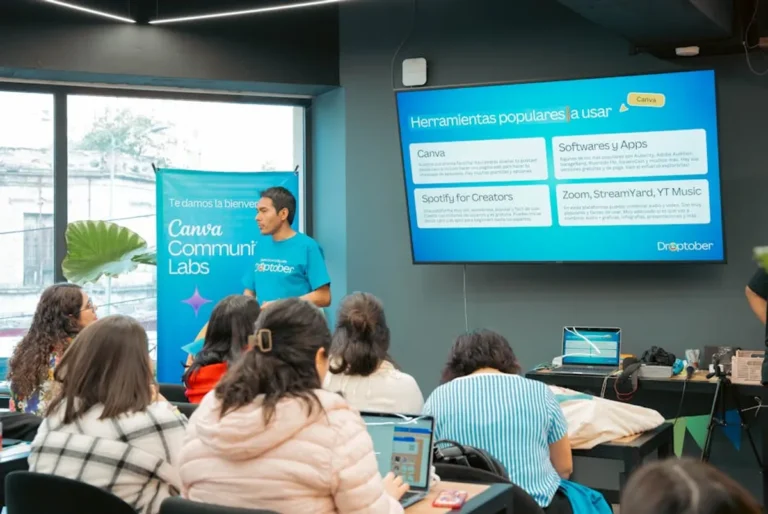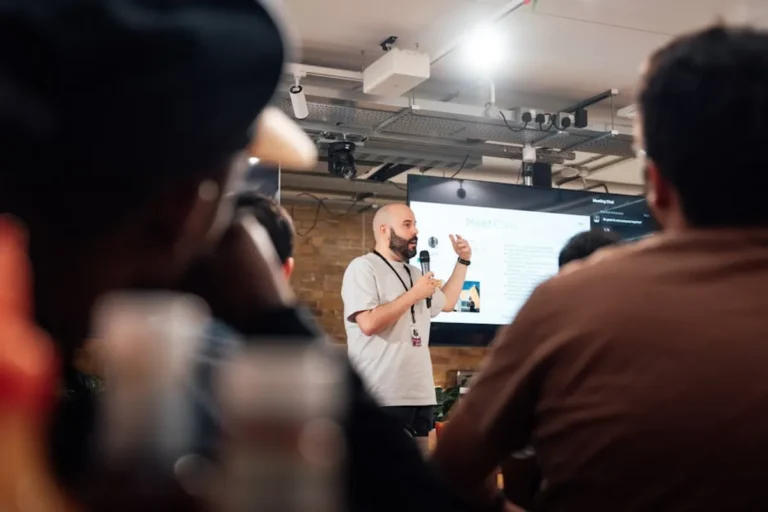

For many businesses and publishers, the pursuit of organic search traffic often centers on broad, high-volume keywords. However, a significant, often overlooked opportunity lies in the hyper-local and niche relevance generated by covering community events. This approach not only captures highly targeted audiences actively searching for specific local information but also builds domain authority and E-A-T signals critical for long-term SEO success. Understanding how to strategically plan, execute, and optimize community event coverage transforms what might seem like a fleeting news item into a durable asset for search visibility. This transformation is best achieved by understanding how to cover them clearly and effectively for your audience.
Understanding the SEO Value of Local Events
Community event coverage, when executed with an SEO-first mindset, provides a distinct advantage by tapping into specific user intent. Search queries related to local events are typically high-intent, indicating users are actively seeking information for participation, attendance, or post-event summaries. This translates into several direct SEO benefits:
- Long-Tail Keyword Opportunities: Events generate a wealth of specific keywords—event names, dates, venues, participants, local organizers, and related activities. These are often less competitive than broad terms but drive highly qualified traffic. For example, "2024 Downtown Art Festival schedule" or "volunteer opportunities for City Marathon."
- Local Search Relevance: Google and other search engines prioritize local relevance for many queries. Covering events within a specific geographic area signals to search engines that your content is pertinent to that location, improving visibility in local pack results and geo-targeted organic searches.
- Authority and Trust Building: Consistently providing accurate, timely, and comprehensive coverage of local events establishes your platform as a trusted source for community information. This builds expertise and authoritativeness (components of E-A-T), which search engines evaluate for ranking purposes.
- Backlink Potential: Event organizers, participants, local media, and community groups are often looking for coverage to link to. High-quality event content naturally attracts backlinks, a fundamental ranking factor.
Strategic Content Creation for Event Coverage
Effective event coverage is not a single-shot effort; it's a multi-stage content strategy designed to capture interest before, during, and after the event.
Pre-Event Content Strategy
The groundwork for search traffic begins before the event even starts. This phase focuses on anticipating user questions and providing foundational information.
- Announcements and Guides: Publish articles detailing event dates, times, locations, entry fees, and key attractions. Include practical information like parking, public transport, and accessibility.
- Participant Spotlights: Feature interviews or profiles of key speakers, performers, artists, or vendors. These generate interest and provide unique long-tail keyword opportunities.
- Keyword Research: Identify specific terms people use when planning to attend or learn about the event. This includes variations of the event name, "things to do in [city] [month]," or "events near me."
- Schema Markup: Implement
Eventschema markup (e.g.,Event, Festival, SportsEvent) to help search engines understand the nature and details of your content, potentially leading to rich results in SERPs.
During-Event Content Generation
Real-time or near real-time content captures immediate interest and provides fresh signals to search engines.
- Live Updates and Photo Galleries: Post short updates, live blogs, or photo essays as the event unfolds. These are highly shareable and can generate immediate social signals, which indirectly support SEO.
- Short Interviews and Quotes: Capture soundbites or brief written interviews with attendees, organizers, or participants. This adds authenticity and fresh perspectives.
- Social Media Integration: Cross-promote content on relevant social platforms. While social shares aren't direct ranking factors, they drive traffic, increase visibility, and can lead to natural links.
Post-Event Content Amplification
The event itself might be over, but its SEO value can endure through strategic post-event content.
- Recaps and Summaries: Publish comprehensive articles detailing highlights, key outcomes, and attendance figures. Include a rich selection of photos and videos.
- Results and Award Winners: For competitive events, promptly publishing results drives significant search traffic from those looking for specific outcomes.
- Testimonials and Feedback: Compile quotes or short stories from attendees. This adds social proof and human interest.
- Evergreen Content Potential: Transform event coverage into evergreen resources. For instance, a "Guide to Attending the [Annual Event Name]" can be updated yearly, accumulating authority over time.
Optimizing for Local Search and E-A-T Signals
Beyond content creation, specific technical and on-page optimizations are crucial for maximizing search traffic from event coverage.
- Geolocation Tagging: Ensure images and videos are geotagged where appropriate. Use location-specific keywords naturally within your content, especially in titles, headings, and image alt text.
- Local Citations and Links: Actively seek opportunities for local businesses, event partners, and community organizations to link to your coverage. Ensure your own local business listings (e.g., Google Business Profile) are consistent and link back to your event content.
- User Experience (UX): Fast loading times, mobile responsiveness, and clear navigation are paramount. Users searching for event information often do so on mobile devices while on the go. A poor mobile experience will lead to high bounce rates and negatively impact rankings.
- E-A-T Enhancement: Detail the expertise of your writers or contributors covering the event. Include author bios with relevant credentials. Ensure factual accuracy and provide sources where necessary. This demonstrates Authoritativeness and Trustworthiness, crucial for content that informs or guides.
Pro Tip: When covering recurring community events, establish a dedicated evergreen landing page or category for that event. Update this page annually with new dates, details, and links to specific year-by-year coverage. This consolidates link equity and search authority over time, making it easier to rank for high-value event-related terms year after year.
Measuring Impact and Refining Strategy
To ensure your efforts are driving tangible results, continuous measurement and analysis are essential.
- Organic Traffic Analysis: Monitor Google Analytics (or similar tools) for organic search traffic to your event-related pages. Look at specific keywords driving traffic, user behavior (time on page, bounce rate), and conversion paths.
- Keyword Ranking Improvements: Track the ranking performance of your target event keywords. Identify which content pieces are performing well and which need further optimization.
- Backlink Acquisition: Use backlink analysis tools to monitor new links acquired by your event coverage. Analyze the quality and relevance of these links.
- Engagement Metrics: Observe comments, social shares, and mentions. High engagement indicates that your content resonates with the audience, which can indirectly signal quality to search engines.
- Iterative Process: Use insights from your data to refine your content strategy. What types of events generate the most traffic? Which content formats perform best? Apply these learnings to future coverage.
Actionable Next Steps for Event Coverage SEO
Implementing a robust community event coverage strategy requires coordination and a clear understanding of SEO principles. Begin by identifying key local events relevant to your audience and business. Develop a content calendar that spans pre-, during-, and post-event phases. Prioritize factual accuracy and comprehensive detail in all content. Actively promote your coverage to local stakeholders and leverage technical SEO elements like schema markup and geolocation. By consistently applying these tactics, you can transform local event reporting into a powerful, sustainable engine for targeted organic search traffic and enhanced brand authority.
Frequently Asked Questions
How often should we cover community events for SEO benefit?
The frequency depends on your resources and the availability of relevant events. Aim for consistent, high-quality coverage rather than sporadic, low-effort posts. Even covering a few major annual events thoroughly can yield significant, recurring SEO benefits.
Is event coverage only useful for local businesses?
While particularly potent for local businesses, event coverage benefits any entity seeking to build local authority, attract geographically targeted traffic, or demonstrate community engagement. Publishers, national brands with local branches, and non-profits can all leverage this strategy effectively.
What's the most critical element for event coverage SEO?
Accuracy, comprehensiveness, and timeliness are paramount. Search engines prioritize content that genuinely serves user intent, so providing detailed, correct, and up-to-date information about an event is crucial for ranking and user satisfaction.