
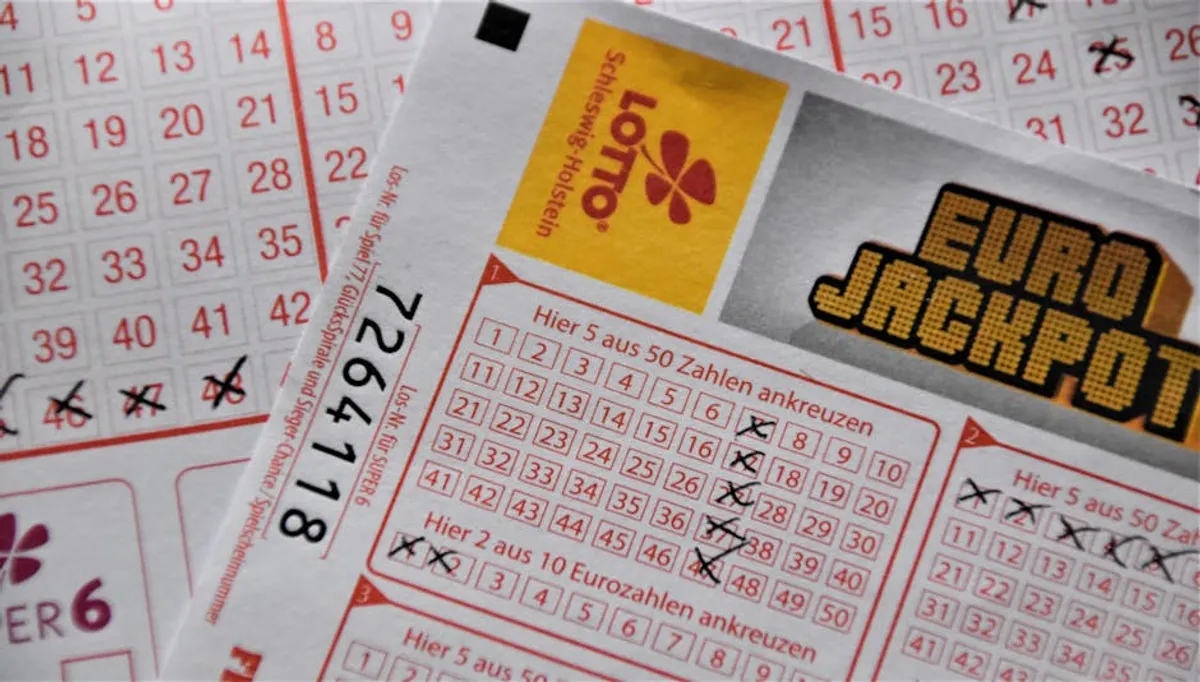
Publishing lottery results effectively requires a deliberate approach to speed, accuracy, and presentation. For publishers and site owners, the goal extends beyond merely listing numbers; it involves establishing a reliable, go-to source that captures immediate user intent and builds long-term trust. The commercial value is clear: timely, accurate results attract high-volume, time-sensitive traffic, offering prime opportunities for monetization through advertising or affiliate partnerships. However, achieving this requires a robust infrastructure for data acquisition, stringent verification protocols, and a user-centric design that prioritizes clarity and mobile accessibility.
Establishing Rapid Data Acquisition Channels
The core challenge in covering lottery results is speed. Users expect immediate updates following a draw. Relying on manual data entry is unsustainable for frequent draws or multiple lotteries. Strategic data acquisition involves prioritizing official, automated feeds.
Integrating Official Lottery APIs
Direct API (Application Programming Interface) connections from state or national lottery commissions represent the gold standard for data acquisition. These APIs provide structured, real-time data directly from the source, minimizing latency and reducing the risk of error. Integration typically involves:
- API Key Acquisition: Registering with the lottery commission to obtain access credentials.
- Data Parsing: Developing scripts or using pre-built connectors to interpret the API's data format (e.g., JSON, XML) and extract relevant numbers, prize tiers, and draw dates.
- Automated Scheduling: Setting up cron jobs or serverless functions to query the API immediately after a draw, ensuring the fastest possible update to your platform.
Benefit: Unparalleled accuracy and speed, directly from the authoritative source. This is critical for building user trust and securing top positions for "lottery results" queries.
Considering Automated Data Scraping (with caution)
In cases where an official API is unavailable or cost-prohibitive, automated web scraping can be an alternative, but it carries significant caveats. Scraping involves programmatically extracting data from official lottery websites. This method is inherently less stable than an API, as website layout changes can break scrapers, leading to data outages or errors.
WARNING: Always prioritize official data sources. Relying on unverified third-party feeds or scraping without explicit permission risks publishing inaccurate information, which can severely damage user trust and lead to legal repercussions.
If scraping is necessary, implement robust error handling, frequent monitoring, and a backup manual verification process. Ensure compliance with website terms of service and relevant data protection laws.
Implementing Robust Verification Protocols
Speed without accuracy is detrimental. A single incorrect digit can undermine your site's credibility. Verification must be an integral part of the publishing workflow.
Redundant Sourcing and Cross-Referencing
Even with an official API, a multi-source verification strategy adds a layer of security. This involves fetching data from at least two independent, official sources (e.g., the primary lottery commission API and a secondary official news release or website). Automated scripts can then compare these datasets, flagging any discrepancies for human review before publication.
Automated Data Validation
Programmatic checks can catch common errors. For instance:
- Number Range Validation: Ensure all drawn numbers fall within the lottery's specified range (e.g., 1-69 for Powerball white balls).
- Count Validation: Verify the correct number of main balls and bonus balls are present.
- Format Validation: Confirm numbers are integers, and dates are in the correct format.
These checks act as an initial filter, preventing malformed or obviously incorrect data from reaching users.
Human Oversight for Critical Information
For high-stakes draws, such as record-breaking jackpots, a human review before final publication is prudent. This final check ensures that all prize tiers, payout amounts, and any special announcements are correctly displayed alongside the winning numbers. Implement a clear, documented process for this review, including who is responsible and the specific points to verify.
Designing for Clarity and User Experience
Presenting complex numerical data clearly is paramount. A cluttered or confusing layout will drive users away, regardless of how quickly the data is updated.
Prioritizing Mobile-First Presentation
A significant portion of users checking lottery results do so on mobile devices. Design must be responsive, ensuring numbers are large, legible, and easy to scan on small screens. Avoid excessive graphics or ads that impede quick information retrieval.
Structured and Scannable Layouts
For each lottery, display the winning numbers prominently at the top. Clearly label:
- Lottery Name: e.g., "Mega Millions"
- Draw Date: e.g., "Tuesday, October 31, 2023"
- Winning Numbers: Use distinct formatting for main numbers and bonus balls (e.g., bolding, different colors, or separate visual containers).
- Jackpot Amount: Clearly state the estimated and cash value.
- Prize Tiers: A concise table showing matches, number of winners, and payout for each tier.
Include a timestamp indicating when the results were last updated or verified, reinforcing accuracy.
Implementing Search and Historical Data
Users often look for past results or specific draw dates. Provide a search function that allows filtering by lottery game and date. Maintain an easily navigable archive of historical results, linking directly from current results pages. This adds value beyond immediate draw information.
Leveraging Structured Data (Schema Markup)
Implement schema.org markup (e.g., using properties from Event or custom schemas if applicable) to help search engines understand the content and its timeliness. While direct "Lottery Results" schema might not be universally supported, structuring numbers, dates, and prize information can aid search engine interpretation and potentially enhance rich snippet display for relevant queries.
Optimizing for Search Visibility
Clarity and speed directly impact SEO for time-sensitive queries. Google prioritizes fresh, accurate content for "lottery results" searches.
- Keyword Targeting: Optimize page titles, meta descriptions, and on-page content for specific, high-intent keywords like "Powerball results [date]," "Mega Millions winning numbers," or "lotto draw tonight."
- Page Speed: Ensure your results pages load in under 1-2 seconds, especially on mobile. Slow loading times will lead to higher bounce rates and lower search rankings.
- Content Freshness: The act of updating results immediately after a draw signals to search engines that your content is current and authoritative. This is a critical ranking factor for time-sensitive topics.
- Internal Linking: Link from your main lottery results hub to individual lottery pages, and from individual lottery pages to historical archives. This strengthens site authority and improves crawlability.
Building a Reliable Lottery Results Hub
Creating a successful platform for lottery results demands an ongoing commitment to precision, speed, and user experience. Start by securing the most reliable data sources, whether through official APIs or meticulously managed scraping. Implement layered verification processes—automated checks backed by human review—to guarantee accuracy. Design your presentation for absolute clarity, with a strong emphasis on mobile accessibility and scannable information. Finally, integrate SEO best practices centered around timeliness and specific keyword targeting to ensure your reliable content reaches the widest possible audience. This comprehensive approach transforms a simple data listing into a valuable, trusted resource that consistently attracts and retains users.
Frequently Asked Questions
How quickly should lottery results be published after a draw?
Ideally, lottery results should be published within minutes of the official draw announcement. Users expect near real-time updates for time-sensitive information like winning numbers.
What is the most reliable source for lottery numbers?
The most reliable sources are the official state or national lottery commission websites or their dedicated APIs. These are the primary authoritative sources for all draw results and prize information.
Can I use lottery results data for commercial purposes?
Yes, many publishers use lottery results to drive traffic for advertising or affiliate revenue. However, always review the terms of service of the data source (e.g., API agreements) and ensure compliance with all local gambling and advertising regulations.
How do I handle multiple lottery games on one site effectively?
Create dedicated, well-organized pages for each lottery game. Implement a central "Lottery Results" hub page that links to all individual game pages, providing a quick overview of the latest draws. Ensure consistent design and clear navigation across all lottery sections.